


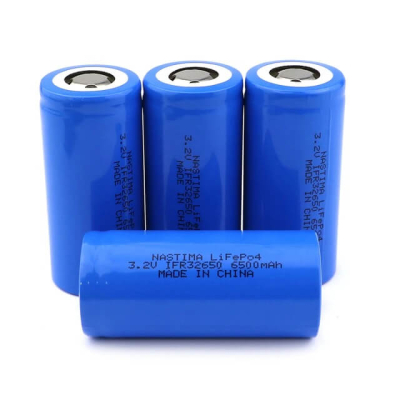


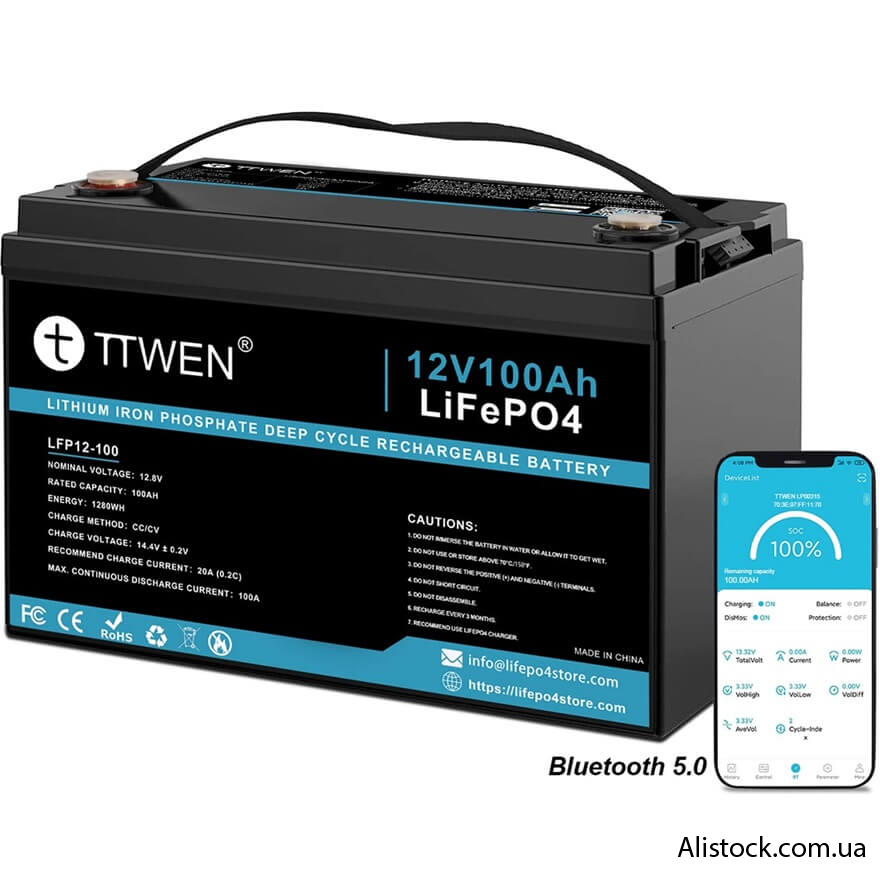
A lithium iron phosphate battery (LiFePO4, LFP) is a type of lithium-ion battery that uses a safe and durable lithium iron phosphate cathode. This battery features high stability, a long service life (up to 7,000+ cycles), resistance to overheating (minimal risk of fire), and no memory effect, making it ideal for electric vehicles, solar systems, and UPS systems.
Key advantages of LiFePO4:
Safety: High heat resistance and chemical stability prevent overheating and fire, unlike other Li-ion batteries.
Durability: Withstands up to 5,000-10,000 charge/discharge cycles, which is 5-10 times longer than lead-acid batteries.
Environmentally friendly: Contains no toxic heavy metals such as cobalt, making them safe to dispose of.
Stable Voltage: Maintains stable voltage throughout the entire discharge cycle.
Lightweight: Significantly lighter than comparable batteries, which is important for portable devices and vehicles.
No Memory Effect: Can be charged at any charge level.
Usage of LiFePO4:
Electric vehicles and watercraft (outboard motors).
Energy storage systems (solar and wind power plants).
Uninterruptible power supplies (UPS) and backup power.
Portable electronics and medical equipment.
Disadvantages:
Slightly lower energy density compared to other lithium-ion types (e.g., LiCoO2).
Require the use of specialized chargers for optimal performance.
LiFePO4 batteries are a modern, reliable, and safe solution for a wide range of applications where long service life and safety are important.
: